Wildlife Habitats Across Mountain Elevation Zones
Mountain environments present a series of distinct elevation zones, each characterized by specific climatic conditions, vegetation types, and seasonal patterns. These zones create a mosaic of habitats that support a diverse array of wildlife, from low-elevation forests to high-altitude alpine tundra. Understanding how animals distribute themselves across these zones provides insight into ecological processes and the factors that influence species survival.
Species such as ibex, marmots, and snow leopards have evolved to occupy particular altitudinal bands, often in response to food availability, temperature, and predation pressure. Their distributions are not static; they can shift seasonally or in response to environmental changes. This article examines the general patterns of wildlife habitat use across mountain elevation zones, focusing on the interplay between climate, forage, and animal behavior.
By exploring these patterns, we can better appreciate the complexity of mountain ecosystems and the challenges that wildlife face in a changing world. The information presented here is intended to provide a broad overview rather than specific management recommendations, as local conditions and species interactions vary widely.
Factors Influencing Altitudinal Distribution
The distribution of wildlife across mountain elevation zones is influenced by a combination of abiotic and biotic factors. Temperature, precipitation, and snow cover generally decrease with increasing elevation, creating distinct thermal belts. These climatic gradients affect the availability of food, the length of growing seasons, and the accessibility of shelter. For example, higher elevations often have shorter summers and more extreme weather, which can limit the productivity of vegetation and the abundance of prey.
Vegetation patterns also shift with altitude. Lower elevations may support dense forests or shrublands, while higher elevations transition to meadows, alpine grasses, and eventually bare rock and ice. Each vegetation type provides different resources for herbivores and their predators. Ibex, for instance, are often associated with steep, rocky terrain where they can browse on shrubs and grasses, while marmots prefer alpine meadows with deep soils for burrowing. Snow leopards, as apex predators, follow the distribution of their prey, which in turn depends on vegetation and terrain.
Seasonal changes further complicate these patterns. Many mountain animals migrate vertically, moving to higher elevations in summer to take advantage of fresh plant growth and then descending to lower elevations in winter to avoid harsh conditions and find food. Such movements are not uniform across species; they depend on body size, diet, and physiological adaptations. Understanding these factors helps explain why different species occupy different altitudinal bands at different times of year.
Representative Species and Their Elevation Zones
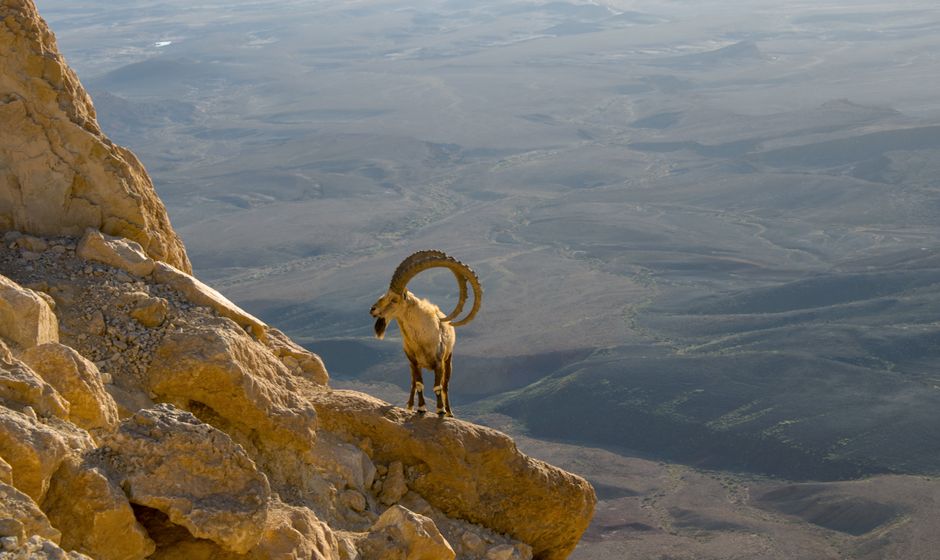
Among mountain ungulates, the ibex (genus Capra) is a notable example of adaptation to high-altitude environments. Ibex are typically found in rocky, steep areas from mid-elevations up to the alpine zone, often above the treeline. Their climbing ability allows them to access cliffs and ledges that provide protection from predators and access to sparse vegetation. In winter, they may descend to lower elevations to find food, but they generally remain in rugged terrain.
Marmots (genus Marmota) are large ground squirrels that inhabit alpine and subalpine meadows. They are specialized for burrowing and hibernation, which allows them to survive long, cold winters. Marmots are most active in summer, when they feed on grasses and forbs to build fat reserves. Their distribution is closely tied to the presence of deep, well-drained soils and adequate forage, which are typically found in mid-to-high elevation meadows. They often serve as prey for carnivores, including snow leopards.
The snow leopard (Panthera uncia) is a flagship species of high mountain ecosystems in Central Asia. It inhabits alpine and subalpine zones, typically between 3,000 and 5,500 meters, where it preys on ungulates such as ibex and argali. Snow leopards are solitary and wide-ranging, with large home ranges that reflect the scattered distribution of their prey. Their presence depends on healthy populations of wild herbivores, which in turn rely on productive vegetation. Thus, the snow leopard’s altitudinal distribution is indirectly shaped by climate and plant productivity.
Other species, such as the American pika and the mountain goat, also show distinct elevational preferences. Pikas are small lagomorphs that live in talus slopes and rock crevices, often at high elevations, and are sensitive to temperature changes. Mountain goats inhabit steep, rocky areas from low to high elevations, with seasonal movements linked to snow cover and forage availability. These examples illustrate the diversity of adaptations among mountain wildlife.
Seasonal Movements and Habitat Use
Seasonal vertical migration is a common strategy among mountain animals. In spring and summer, as snow recedes, many herbivores move to higher elevations to exploit new plant growth. This upward movement is often timed with the emergence of nutritious grasses and forbs, which are essential for building fat reserves before winter. For example, ibex may be observed grazing in alpine meadows during the summer months, while marmots are active in the same areas, feeding and socializing.
As autumn approaches, animals begin to descend to lower elevations, where snow is less deep and food may still be accessible. Some species, like marmots, retreat to burrows to hibernate, while others, like ibex, may remain in mid-elevation areas but move to south-facing slopes where snow melts earlier. Snow leopards may follow their prey, moving to lower elevations in winter, though they are still associated with rugged terrain.
These seasonal movements are not without risks. Animals may face increased competition for limited resources, predation, or human disturbance. Climate variability can also disrupt traditional migration patterns, leading to mismatches between food availability and animal needs. Such dynamics highlight the importance of understanding the full annual cycle of mountain wildlife.
Climate Change and Altitudinal Shifts
Climate change is altering mountain environments in ways that can affect wildlife distributions. Warming temperatures may cause vegetation zones to shift upward, potentially reducing the area of alpine habitat. Species that are specialized for high elevations, such as pikas and some marmots, may face habitat loss if they cannot adapt or move higher. Conversely, generalist species may expand their ranges upward, potentially competing with high-altitude specialists.
Changes in precipitation patterns, including reduced snowpack, can also impact wildlife. Snow serves as an insulating layer for burrowing animals and as a water source in spring. Reduced snowpack may lead to earlier snowmelt and drier summers, affecting plant productivity and water availability. These changes can ripple through the food web, affecting herbivores and their predators.
However, the responses of individual species are complex and depend on multiple factors, including physiological tolerances, behavior, and interactions with other species. Some populations may adapt by shifting their ranges, while others may decline. Monitoring programs and research are essential to track these changes and inform conservation efforts.
Mountain ecosystems are dynamic, and the distribution of wildlife across elevation zones reflects a balance of climatic, ecological, and behavioral factors. Ongoing changes in climate and land use introduce uncertainty, making adaptive management and continued study important.
Conservation Considerations
Conserving mountain wildlife requires an understanding of their habitat needs across elevation zones. Protected areas that encompass a range of elevations can help ensure that animals have access to seasonal resources. Corridors that connect lower and higher elevation habitats may facilitate movement in response to changing conditions. However, effective conservation also depends on addressing threats such as poaching, overgrazing, and habitat fragmentation.
Community-based approaches that involve local stakeholders can be particularly valuable in mountain regions, where human livelihoods often depend on natural resources. Sustainable grazing practices, for example, can help maintain healthy alpine meadows that support marmots and other herbivores. Similarly, reducing human-wildlife conflict can benefit snow leopards and other predators.
Research and monitoring provide the foundation for informed decisions. By tracking population trends, habitat use, and climate variables, scientists can identify emerging challenges and evaluate the effectiveness of conservation actions. This knowledge is essential for adapting strategies as conditions change.
In summary, the distribution of wildlife across mountain elevation zones is shaped by a complex interplay of climate, vegetation, and species interactions. While general patterns exist, each species has unique adaptations and requirements. Understanding these patterns is a step toward fostering resilience in mountain ecosystems, though outcomes depend on many external factors and cannot be guaranteed.