Adaptations of Alpine Plants to Harsh Conditions
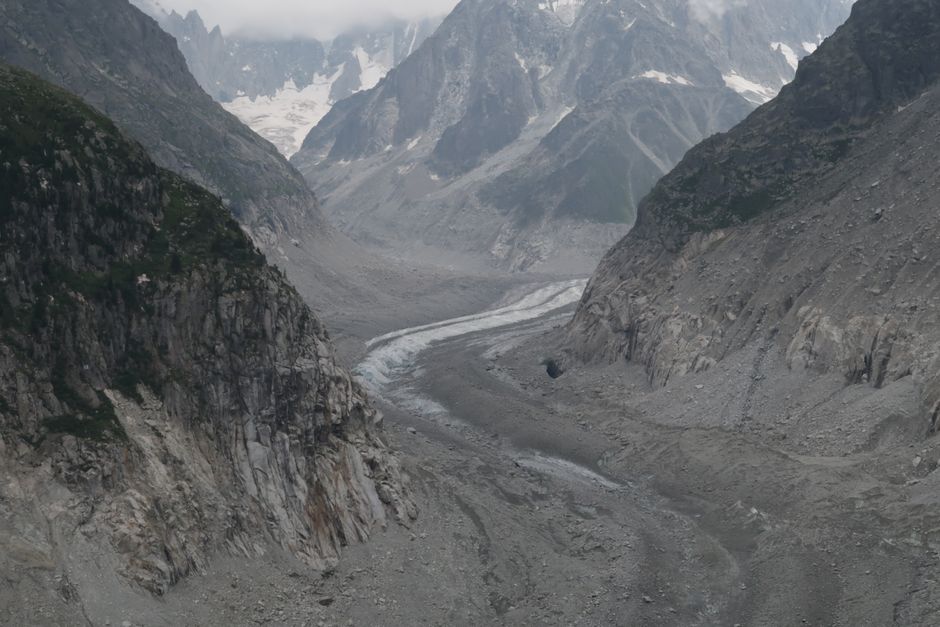
Alpine environments present some of the most challenging conditions for plant life on Earth. High elevations are characterized by low temperatures, strong winds, short growing seasons, and often poor, rocky soils. Plants that inhabit these regions must cope with extreme fluctuations in temperature, intense solar radiation, and limited water availability. Understanding how these organisms persist in such inhospitable settings offers insight into the remarkable resilience of nature and the evolutionary strategies that enable survival.
This article examines the key adaptations that allow alpine plants to thrive in harsh conditions. It explores morphological, physiological, and behavioral traits—such as small leaves, deep root systems, and cushion growth forms—that collectively enable these plants to withstand cold, wind, and a brief window for growth and reproduction. By focusing on these adaptations, we can appreciate the complex interplay between form and function in high-elevation habitats.
The information presented here is intended for educational purposes, providing a neutral overview of botanical mechanisms. It does not offer gardening advice or recommendations for specific species, as local conditions and microclimates vary widely. Instead, it highlights general principles that have been observed across many alpine ecosystems worldwide.
Surviving the Cold: Temperature and Frost Tolerance
Alpine plants face frigid temperatures year-round, with frost possible even in summer. To survive, many species have developed physiological mechanisms that prevent ice crystal formation within cells. For instance, some plants synthesize antifreeze proteins or accumulate solutes that lower the freezing point of their tissues. These adaptations help maintain cellular integrity when temperatures drop below freezing. Additionally, certain alpine plants can undergo supercooling, allowing them to remain unfrozen at temperatures several degrees below zero. Such traits are critical for survival in regions where nightly frosts are common.
Another strategy involves timing life cycles to avoid the coldest periods. Many alpine plants are perennials that enter dormancy during winter, reducing metabolic activity to conserve energy. They may also have thick cuticles or hairy surfaces that insulate delicate tissues. For example, some species produce dense mats of hairs on leaves and stems, trapping a layer of air that acts as insulation. These morphological features, combined with biochemical adaptations, enable plants to endure severe cold snaps. The ability to tolerate frost is often linked to the plant’s geographic origin and evolutionary history, with species from higher elevations typically exhibiting greater cold hardiness.
Furthermore, snow cover plays a dual role: it insulates the ground, protecting roots and dormant buds from extreme cold, but it also shortens the growing season by persisting late into spring. Plants must therefore balance the benefits of snow protection with the need to complete their life cycles in a limited time. Some species initiate growth under the snow and emerge quickly once it melts, maximizing the brief period of favorable conditions. This phenological flexibility is a key adaptation to cold environments.
Withstanding Wind: Mechanical and Structural Adaptations
Strong, persistent winds are a defining feature of alpine zones. Wind increases transpiration and can cause mechanical damage to plants. To cope, many alpine species exhibit reduced stature, growing close to the ground where wind speeds are lower. This prostrate growth form also helps plants benefit from radiant heat from the soil. Additionally, small, narrow leaves reduce the surface area exposed to wind, thereby decreasing water loss and physical stress. Some plants have leaves that are rolled or folded, further minimizing exposure.
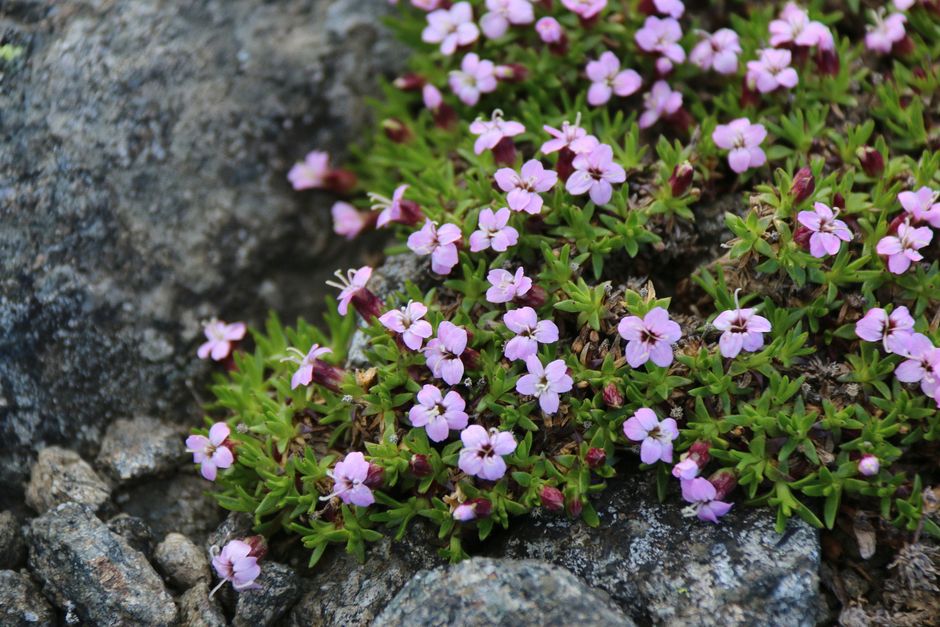
Structural adaptations include flexible stems that bend without breaking, and deep, extensive root systems that anchor plants securely in thin, rocky soils. Cushion plants, which form dense, low mounds, are particularly well-adapted to windy conditions. Their compact shape reduces wind resistance and creates a microclimate within the cushion that is warmer and more humid than the surrounding air. This microclimate can also protect against frost and desiccation. The cushion form is a common strategy among alpine species across different continents, illustrating convergent evolution in response to similar environmental pressures.
In addition to morphological traits, some alpine plants exhibit behavioral adaptations, such as orienting leaves to avoid direct wind exposure or closing stomata during high winds to reduce water loss. These adjustments are often regulated by environmental cues and can vary throughout the day. The combination of structural and physiological responses allows alpine plants to maintain function despite constant wind stress.
Root Systems: Anchoring and Resource Acquisition
Deep and extensive root systems are hallmarks of alpine plants. In high-elevation habitats, soils are often shallow, rocky, and nutrient-poor. Deep roots enable plants to access water and minerals from deeper layers, as well as to anchor themselves against wind and erosion. Some species develop taproots that penetrate cracks in rocks, while others form dense networks of fine roots that explore a large volume of soil. These root structures also facilitate symbiotic relationships with mycorrhizal fungi, which enhance nutrient uptake, particularly phosphorus and nitrogen.
Root adaptations also include storage functions. Many alpine plants store carbohydrates in their roots or rhizomes, providing energy reserves for early spring growth and reproduction. This is crucial because the growing season is short, and plants must quickly mobilize resources when conditions become favorable. The ability to store and remobilize nutrients gives alpine plants a competitive edge in nutrient-limited environments.
Moreover, root systems contribute to soil stabilization, reducing erosion in steep, wind-exposed slopes. This ecosystem service is important not only for the plants themselves but also for the broader alpine community. The intricate root networks create microhabitats for soil organisms and influence water infiltration and retention. Thus, root adaptations are integral to the survival and functioning of alpine ecosystems.
Leaf Morphology and Water Conservation
Small leaves are a common feature among alpine plants, serving multiple functions. Their reduced size limits water loss through transpiration, which is critical in windy, dry conditions. Small leaves also heat up more slowly than large leaves, reducing the risk of overheating under intense solar radiation. Additionally, they can be densely packed, forming a canopy that shades the soil and reduces evaporation. Some alpine plants have needle-like or scale-like leaves, which further minimize surface area and water loss.
Leaf pubescence, or hairiness, is another adaptation that helps conserve water and insulate against cold. Hairs trap a boundary layer of air, reducing wind speed at the leaf surface and decreasing transpiration. They also reflect excess solar radiation, preventing damage from UV rays. In some species, leaves are covered with a waxy cuticle that repels water and reduces desiccation. These morphological traits are often combined, resulting in highly efficient water-use strategies.
Furthermore, many alpine plants exhibit leaf movements or orientations that optimize light capture while minimizing heat load. For example, some species orient their leaves vertically to avoid midday sun, while others track the sun to maximize photosynthesis in the cool morning hours. Such behavioral adaptations are fine-tuned to the specific microclimate and can change over the course of a day or season. The diversity of leaf forms and behaviors reflects the complex selective pressures operating in alpine environments.
Reproductive Strategies in a Short Growing Season
The brief growing season in alpine zones imposes strong constraints on reproduction. Plants must flower, pollinate, and set seed within a few weeks or months. To achieve this, many alpine species have evolved rapid development and early flowering. Some plants initiate flower buds the previous year, allowing them to bloom immediately after snowmelt. Others can self-pollinate, ensuring seed production even if pollinators are scarce. Wind pollination is also common, as it does not rely on animal vectors.
Seed dispersal mechanisms are equally important. Many alpine plants produce lightweight seeds with appendages that aid in wind dispersal, allowing them to colonize new areas. Others rely on gravity or animals to disperse seeds. Once dispersed, seeds may remain dormant until conditions are favorable, sometimes for several years. This seed bank strategy buffers against years with poor growing conditions and helps maintain population viability.
Vegetative reproduction is another common strategy. Through rhizomes, stolons, or adventitious buds, alpine plants can spread clonally, quickly occupying available space. This form of reproduction is less dependent on pollinators and seed set, making it advantageous in harsh environments. The combination of sexual and asexual reproduction provides flexibility and resilience, enabling alpine plants to persist despite the challenges of a short growing season.
Conclusion: The Interplay of Adaptations
The survival of alpine plants in harsh conditions is the result of a suite of interdependent adaptations. Small leaves, deep roots, cushion forms, and rapid reproductive cycles collectively enable these plants to cope with cold, wind, and a brief growing season. These traits are not independent; rather, they interact to create a coordinated strategy for survival. For example, the cushion form reduces wind exposure, which in turn lessens water loss from small leaves, while deep roots access water and nutrients to support rapid growth.
Understanding these adaptations provides insight into the resilience of alpine ecosystems and the evolutionary processes that shape them. It also highlights the importance of preserving these unique habitats, which are increasingly threatened by climate change and human activities. While this article does not offer management recommendations, it underscores the value of continued research and observation. By studying alpine plants, we gain a deeper appreciation for the complexity of life in extreme environments.